HRV analysis in medicine: Functional diagnostics for practical application
HRV Training for Physicians: Objectively Assessing Functional Regulation
Why more and more medical doctors are completing the training to become a Certified HRV Professional
Modern medicine possesses an exceptionally high level of diagnostic precision when it comes to structural diseases. What is frequently missing, however, is an objective assessment of a patient’s functional regulation.
This is precisely where one of the greatest gaps in healthcare lies: many patients are not pathologically ill in a structural sense, yet they suffer from functional impairments, chronic exhaustion, sleep disorders, or vague, stress-related symptoms.
Closing the Diagnostic Gap in Medical Practice
In contrast to classical vital parameters, HRV does not map a single measured variable, but rather the regulatory capacity of the organism over 24 hours. Among other things, it allows:
- Exhaustion and fatigue (often following infections or chronic stress)
- Sleep disturbances despite tiredness
- Stress-related symptoms without organic findings
- Autonomic dysfunction (rapid heartbeat, inner restlessness)
- Functional cardiovascular symptoms
- Burnout precursors and therapy non-responders
Heart rate variability (HRV) closes this gap by enabling an objective functional assessment of the autonomic nervous system (ANS) in real-life situations, thus offering opportunities for HRV training for physicians.
HRV: Functional diagnostics instead of a snapshot
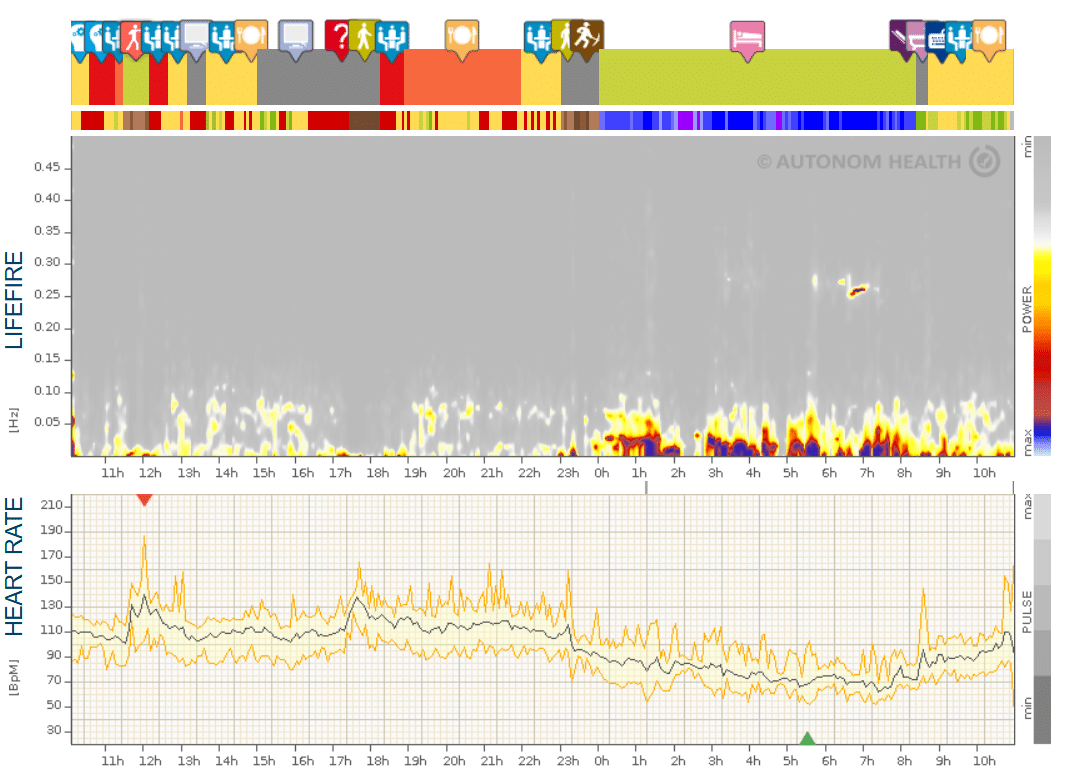
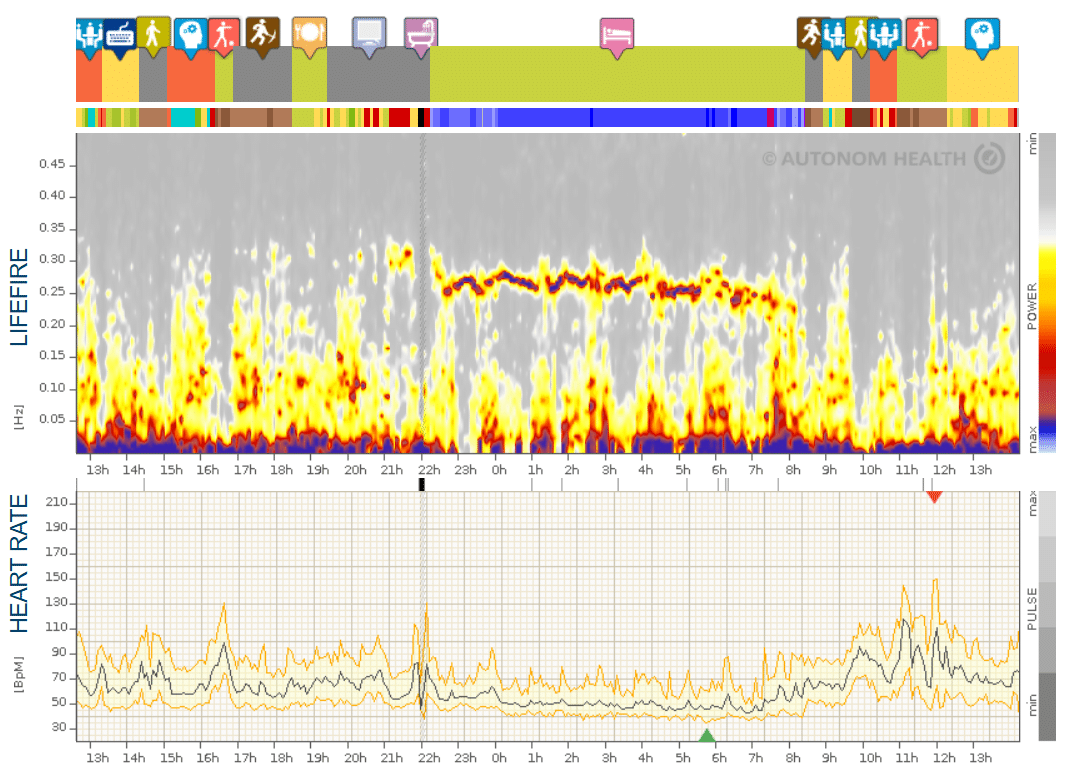
Unlike classic vital parameters, HRV does not represent a single measurement, but rather the regulatory capacity of the organism over 24 hours.
It allows, among other things:
- Assessment of stress processing: How does the system react to stress?
- Assessment of regenerative capacity: Does genuine recovery occur at night?
- Assessment of sleep quality: Objectification of sleep architecture and vagal activity.
- Monitoring of therapy progress: How do therapies or medications affect the autonomic nervous system?
- Individualization of interventions
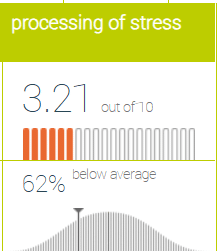
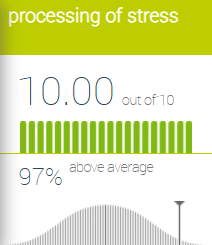
This makes HRV a clinically relevant tool at the intersection of prevention, functional medicine, psychosomatics and rehabilitation.
HRV training for physicians: from measurement to clinical application
Over the past 20 years, Autonom Health has trained more than 1,000 healthcare professionals in HRV analysis. The training to become a certified HRV professional is now available entirely online (in German and English).
The content is presented by Dr. Alfred Lohninger, a leading expert and author of the standard textbook on HRV, and focuses consistently on practical application in everyday medical practice:
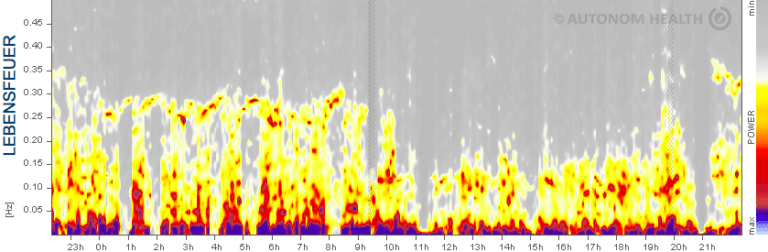
- Interpretation of 24-hour HRV analysis (Lifefire® spectrogram)
- Differentiation of typical regulatory patterns (e.g., chronic sympathetic stress)
- Clinical classification of stress and exhaustion
- Monitoring of therapy progress
- Improved patient compliance through visual feedback
The training can be completed in modules or as a full certification.
Clinical and economic benefits in everyday practice
HRV analysis changes less the diagnosis — but primarily the management.
Doctors report in particular on:
- Better therapy decisions: Interventions (exercise, sleep, breathing exercises, medication strategies, psychotherapy) can be prioritized.
- Objective progress monitoring: Patients see measurable progress, not just subjective progress.
- Increased compliance: Visual feedback significantly improves cooperation.
- Structured conversations: HRV facilitates communication in cases of complex or chronic conditions.
- New patient groups: Many functionally impaired patients are specifically seeking this diagnostic procedure.
Economic aspect
HRV is not a screening or preventive examination. It is a medical tool for functional assessment and monitoring.
This results in the following for medical practices and clinics:
- Additional private medical services
- Longer patient relationships
- Structured follow-up appointments
- Differentiated services
- Interdisciplinary collaboration (psychotherapy, training, rehabilitation)
Flexible online training with personal support
The online training offers:
- Video content available on demand
- Free choice of modules or complete training
- German and English
- Monthly clinical case discussions via Zoom (regular meeting every last Thursday of the month)
This ensures that the training remains practical and immediately applicable.
Learning content of HRV training
- What is health? How can I measure and improve it?
- What is HRV?
- From ECG to HRV
- Difference between heart rate and pulse rate
- Development/formation of the pulse curve
- The life force spectrogram
- HRV pattern recognition
- Sleep
- Physical performance and exercise
- Selected measurements
Chapter 1: Principles
- Chronobiology
- Heartrate- and tachogram-display
- Sampling rate and filtering
- The emergence of the spectrogram
- The spectrogram in its details
Chapter 2: Advanced software for HRV-analysis
- The upgrading of “My Autonom Health measurements”
- Analysis overview
- Vital Analysis
- Med Analysis
Chapter 3: Advanced pattern recognition in HRV diagnostics
- The “ingredients” of correct HRV-diagnostics
- Respiratory Sinus Arrhythmia
- The difference between regeneration and fatigue
- Exhaustion in detail
- Flow in detail
Chapter 4: Sleep
- Basic Rest Activity Cycle (BRAC)
- Sleep stages in HRV
- Regeneration is relaxation & recreation
- Breathing in sleep and the relation of pulse-frequency to breathing-frequency
- Snoring and apnea
- Day performance causes sleep quality – sleep quality causes day performance
Chapter 5: Physical activities and sports
- How to log different forms os activation
- HRV and performance
- Training parameters
- Neurophysiological stress (NPS)
- Dynamic C
Chapter 6: Causes and consequences of stress
- Stress definition and differentiation
- Stress and society
- Stress and our brain
- Stress and HRV
- Stress – constitution, impulses and stimulus processing
Chapter 7: The Autonom Health Community
Chapter 1: Principles
- Time domain parameter in HRV
- Histogram
- Scatterplot
- Very low frequency
- Low frequency
- High frequency
- Ultra low frequency
- Total frequency
- Artifacts
- Cardiac arrhythmia
Chapter 2: Special pattern recognition in HRV
- Strain
- Good ability to concentrate and mental focusing
- Meditation
- Nutritional behavior
- Overview of patterns for correct HRV analysis
Chapter 3: Special Software for HRV-analysis
- Resume
- HRVscan
- Additionals
- Science software
- HRV-glossary & Portal-guide
Chapter 4: Various examples of measurements from the HRV training folder
- High performance HRV
- Good life
- Stress
- Unhealthy lifestyle
- Pathology
Chapter 5: Burnout
- What is burnout
- Etiological factors and consequences
- Phases and stages
- Analyzing burnout with HRV
- Extreme vagus overactivation as a special form of burnout
- How to diagnose burnout
Chapter 6: HRV Coaching
- The C-O-A-O-C-H process
- What is, how to measure and how to create health
- How to transform HRV-data into coaching
- How to transform LifeFire-graphics into coaching
- HRV typology for coaching
- SWOT-analysis to identify the message of an HRV analysis
- The C-O-A-O-C-H process
Documentation of 10 measurements in Autonom Health coaching reports. Written questionnaire and discussion of one selected measurement
Conclusion
Heart rate variability closes a diagnostic gap between structural medicine and functional regulation.
It is particularly helpful where classical findings do not explain why patients are unable to perform or are unable to cope with stress.
If you care for patients with stress, sleep or exhaustion symptoms, or if you want to assess therapy progress more objectively, then HRV training for doctors to become a certified HRV professional is a directly applicable extension of your diagnostic spectrum in everyday clinical practice.