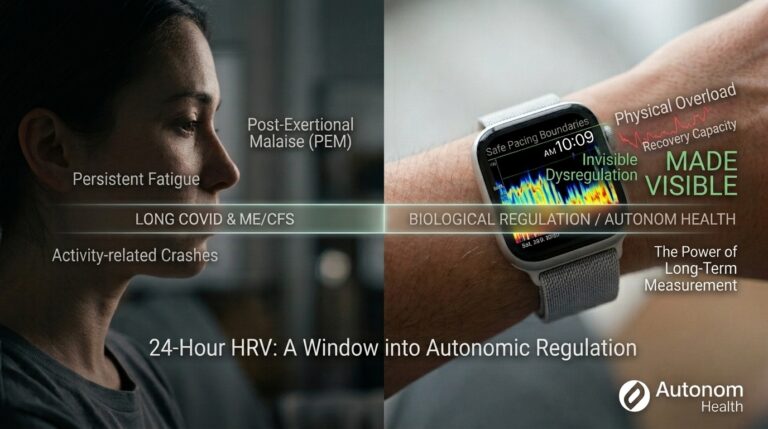
Lifefire® Gallery
Heart Rate Variability (HRV): What the
Lifefire Reveals About Health, Stress, and
Recovery
How healthy, resilient, and well-recovered a person truly is cannot always be seen at first
glance. Many people appear to function perfectly well on the outside while their bodies have
already reached their limits. Others feel exhausted even though conventional laboratory
values show no abnormalities.
Heart Rate Variability (HRV) provides a unique view behind this façade. It is one of the most
informative measures in modern functional health assessment, offering objective insights into
the state of the autonomic nervous system—the biological control system responsible for
regulating breathing, heart rate, sleep, recovery, stress responses, and countless other vital
functions.
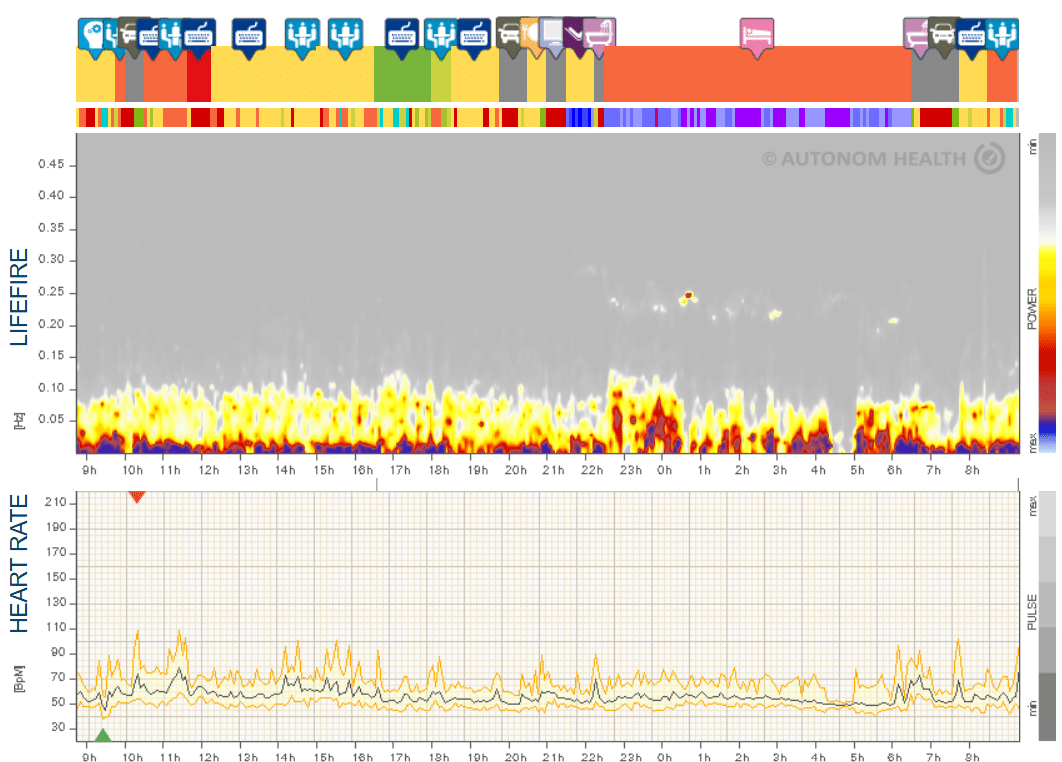
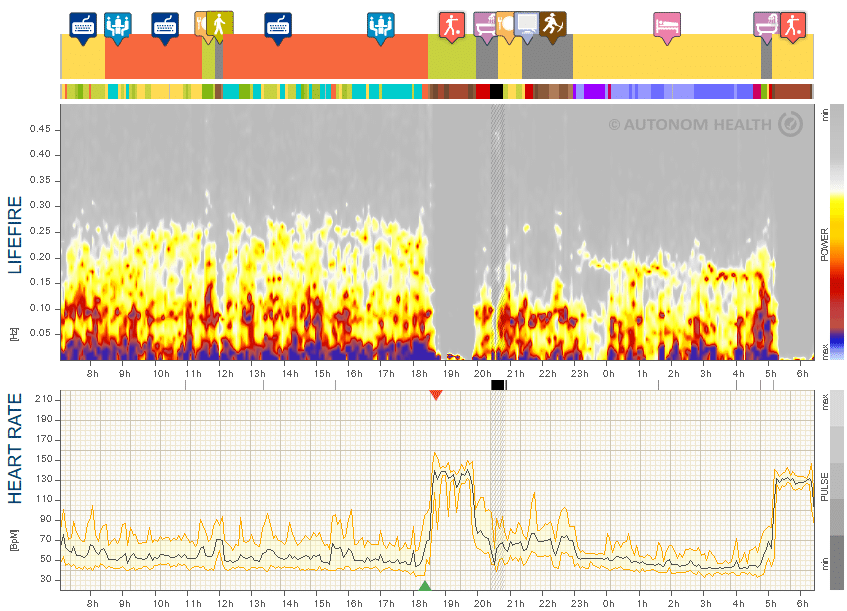
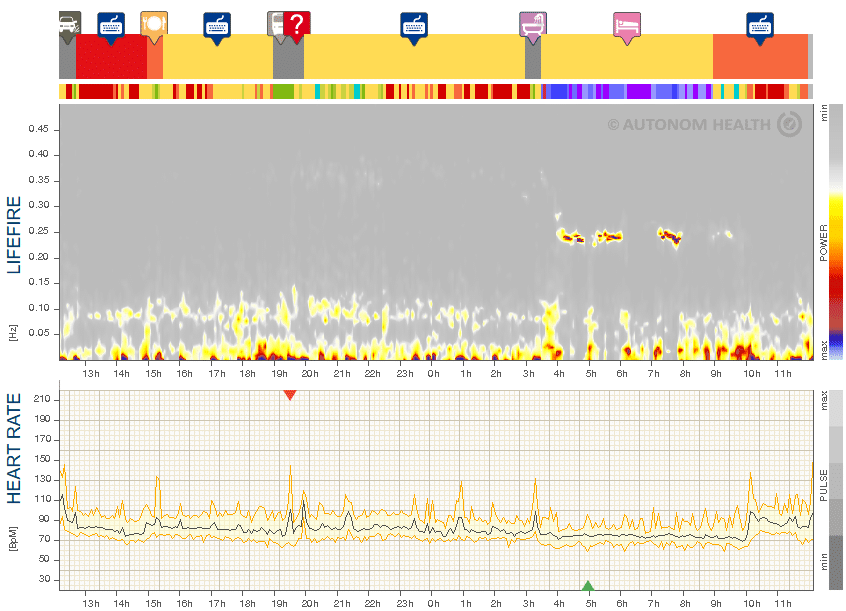
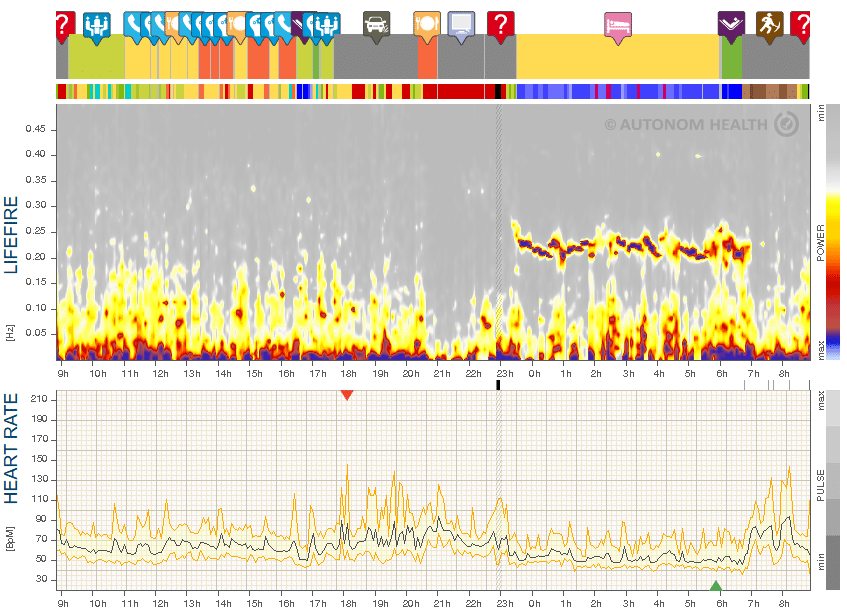
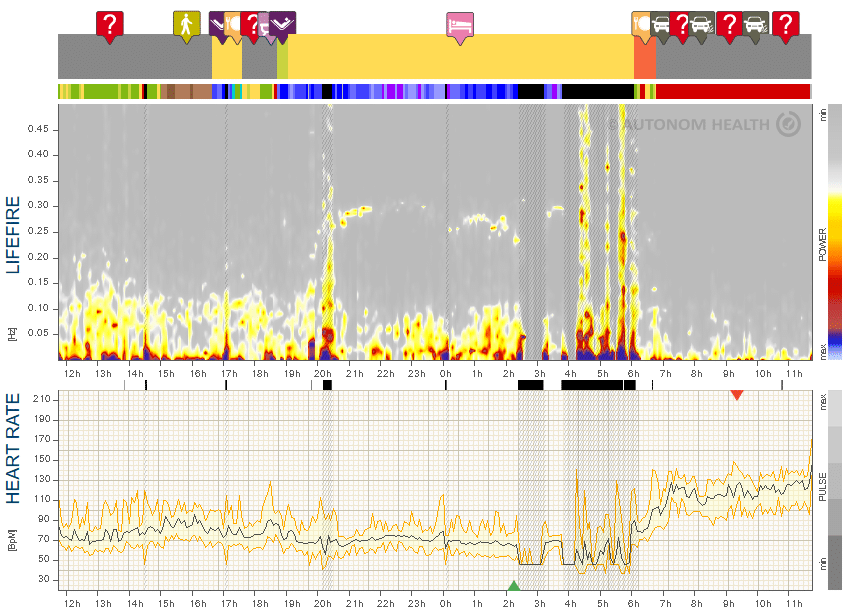
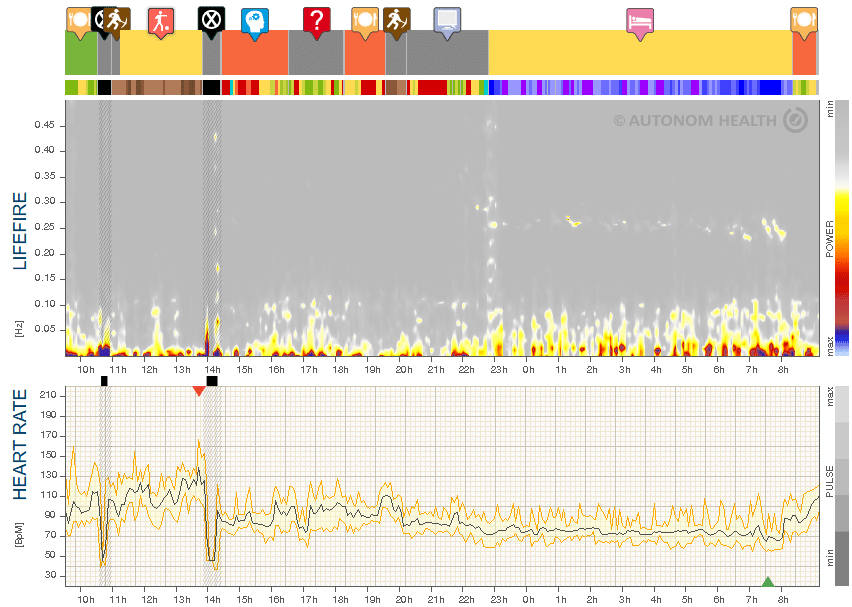
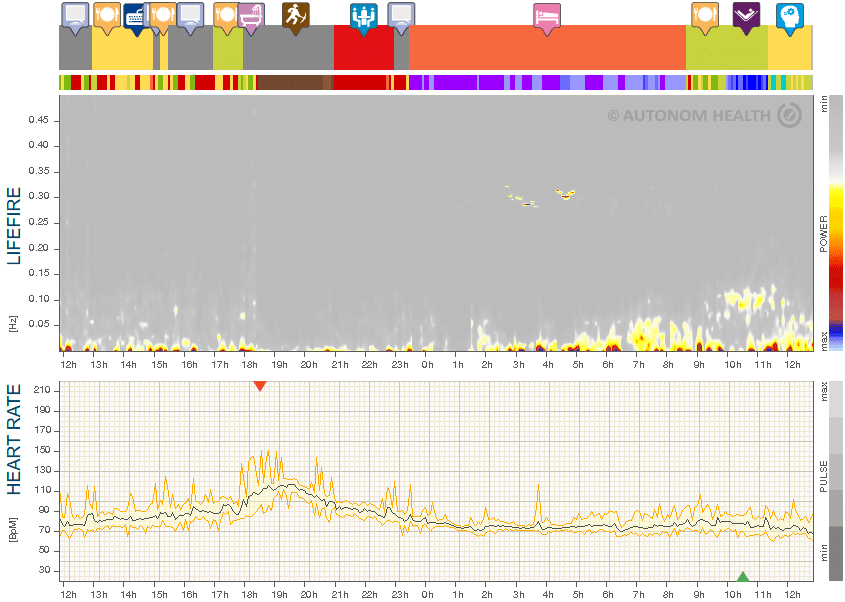
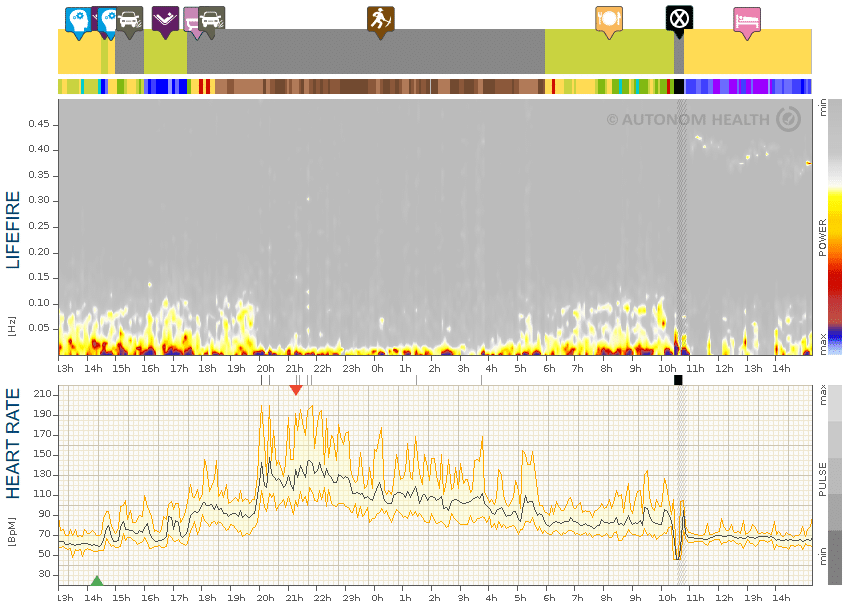
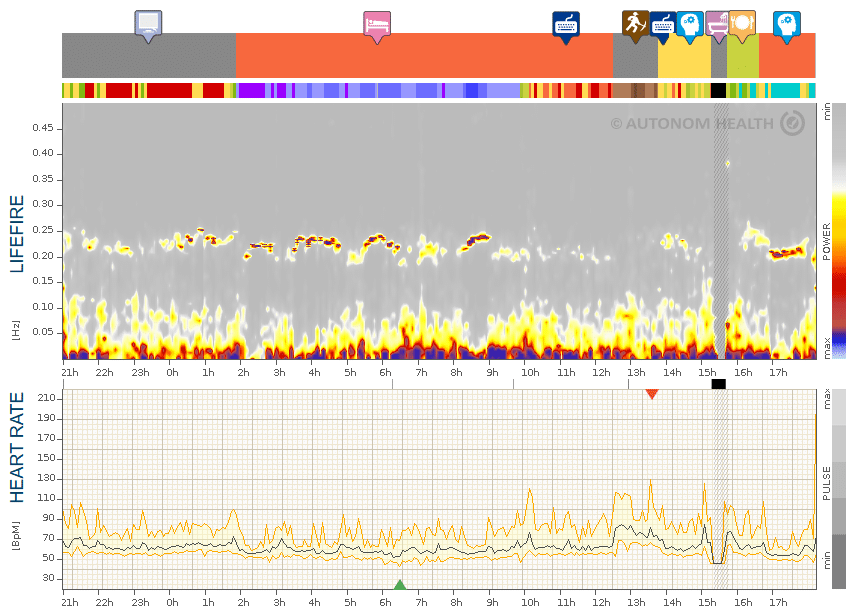
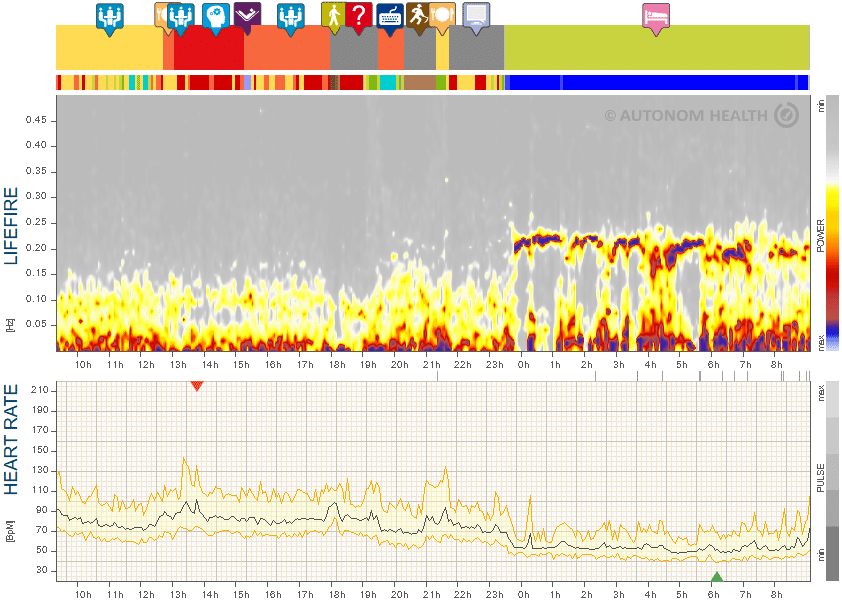
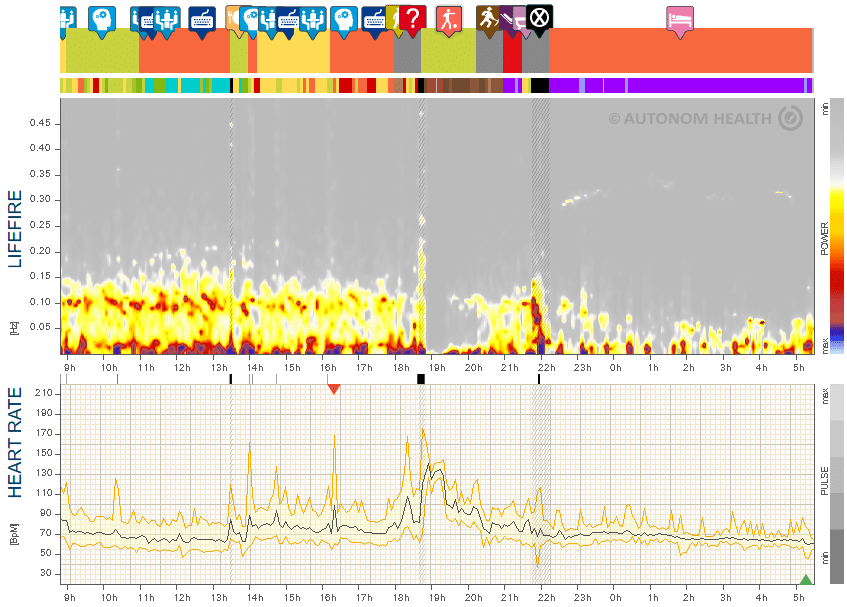
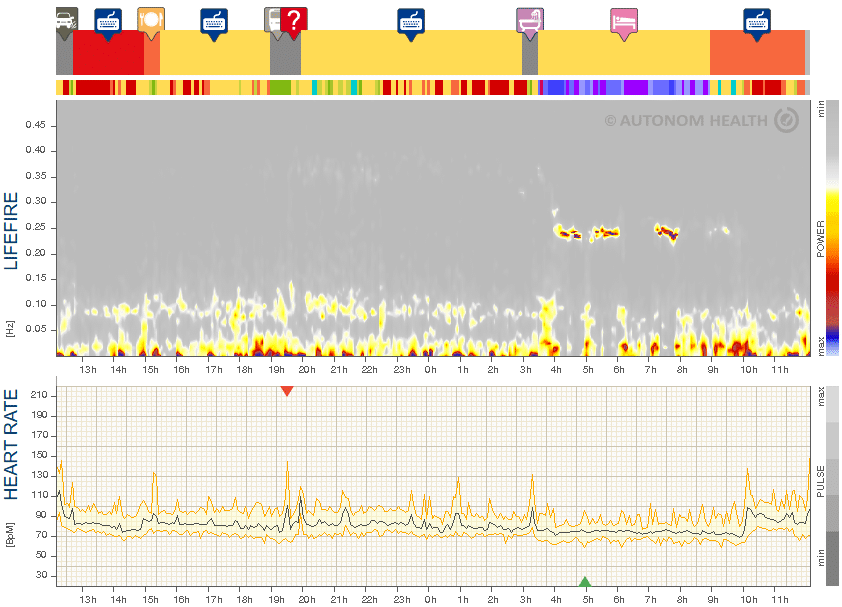
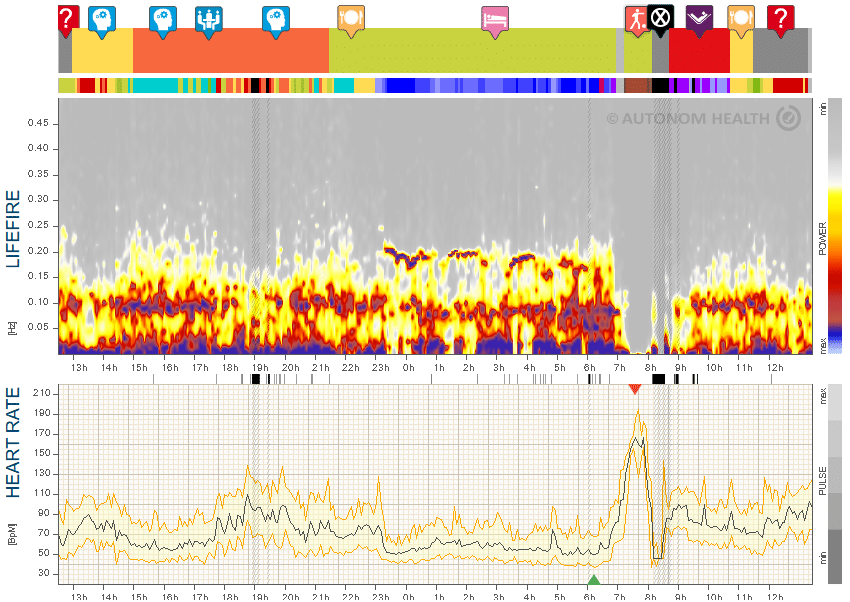
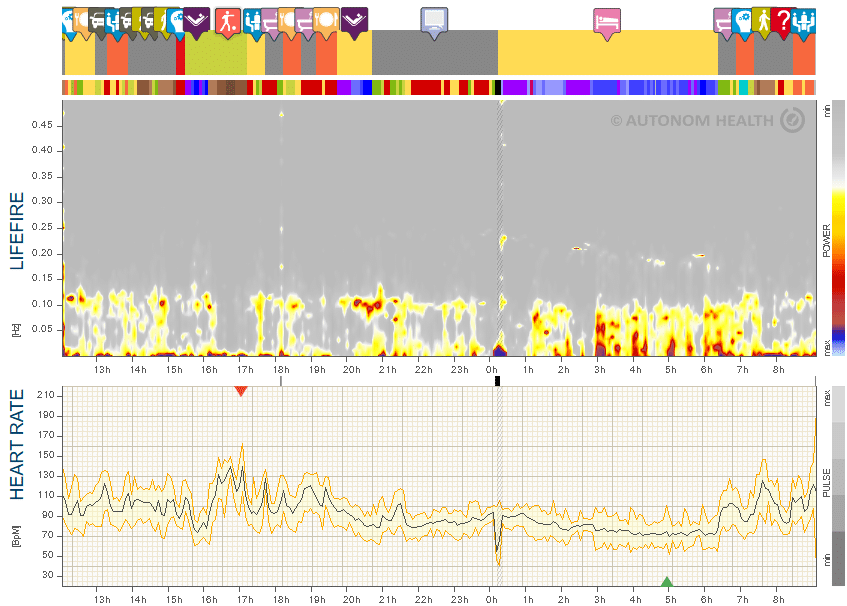
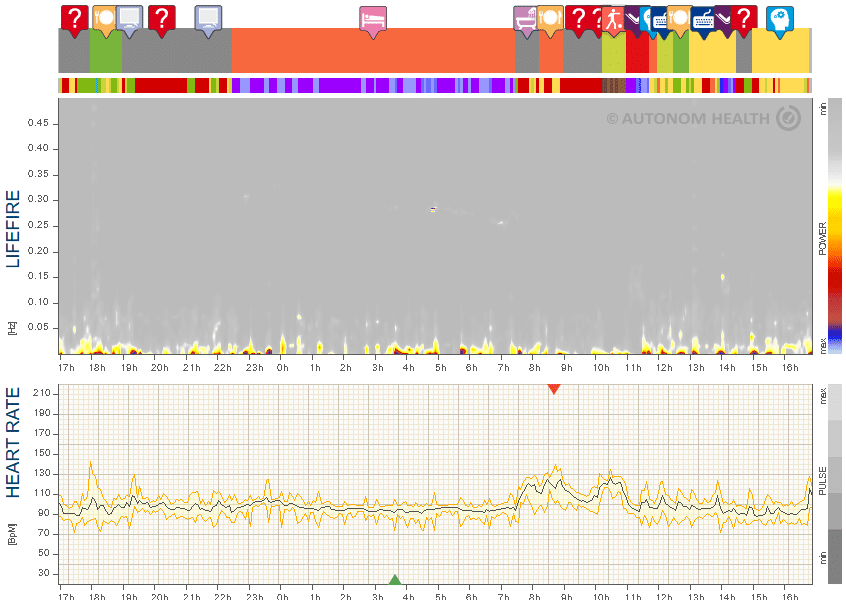
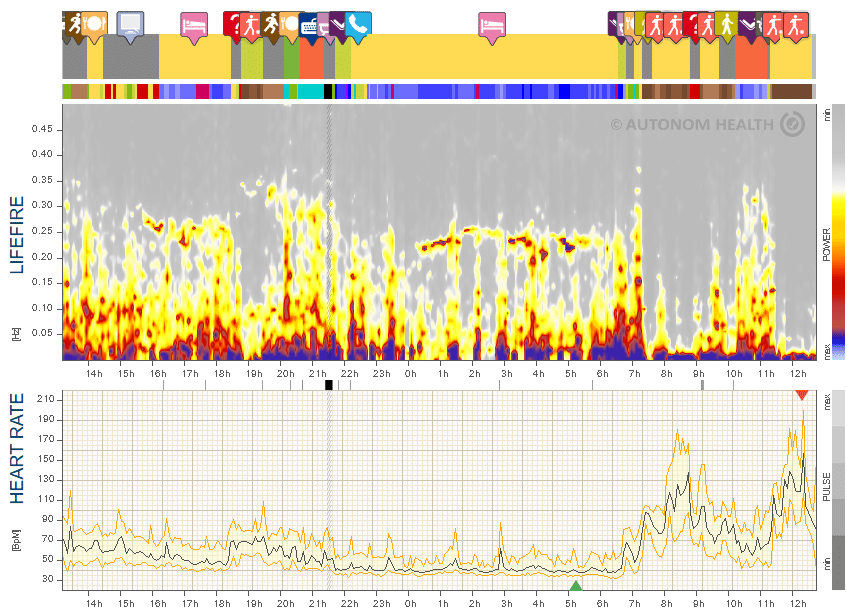
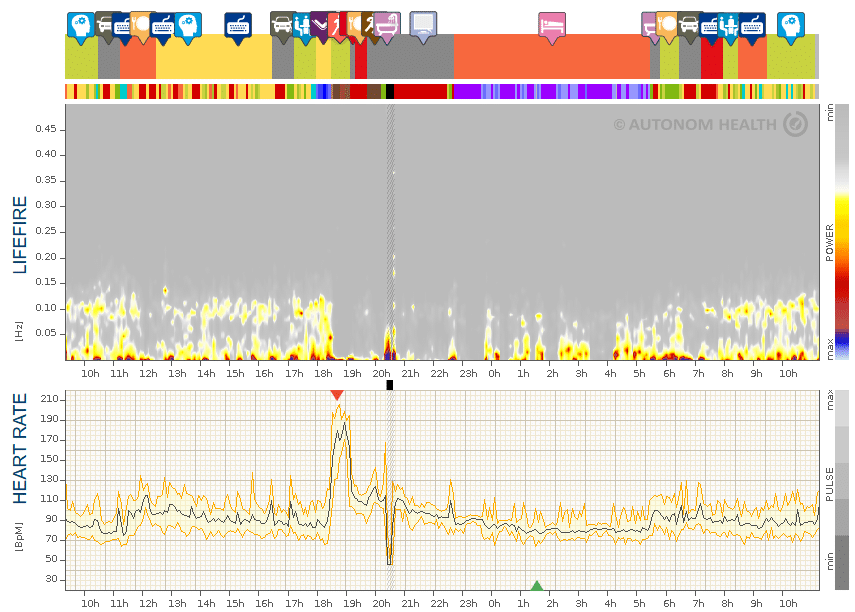
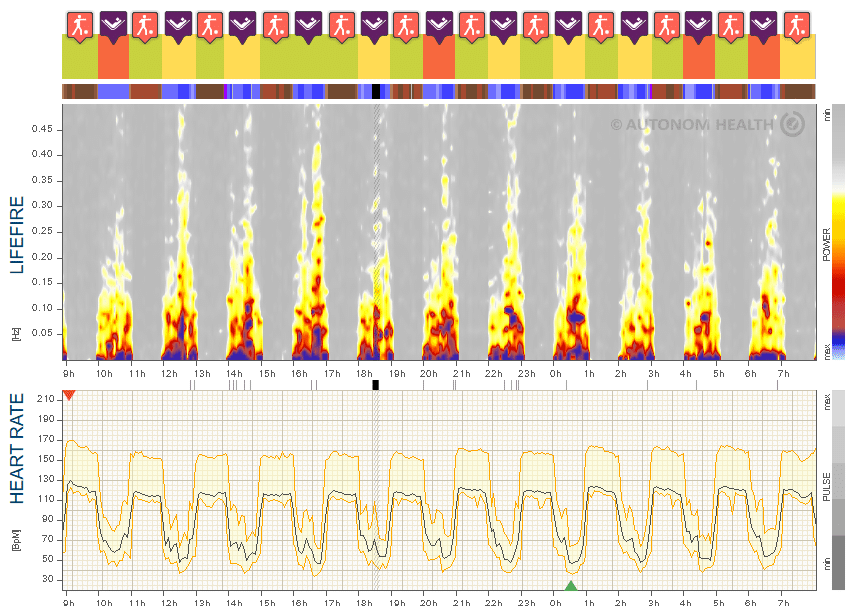
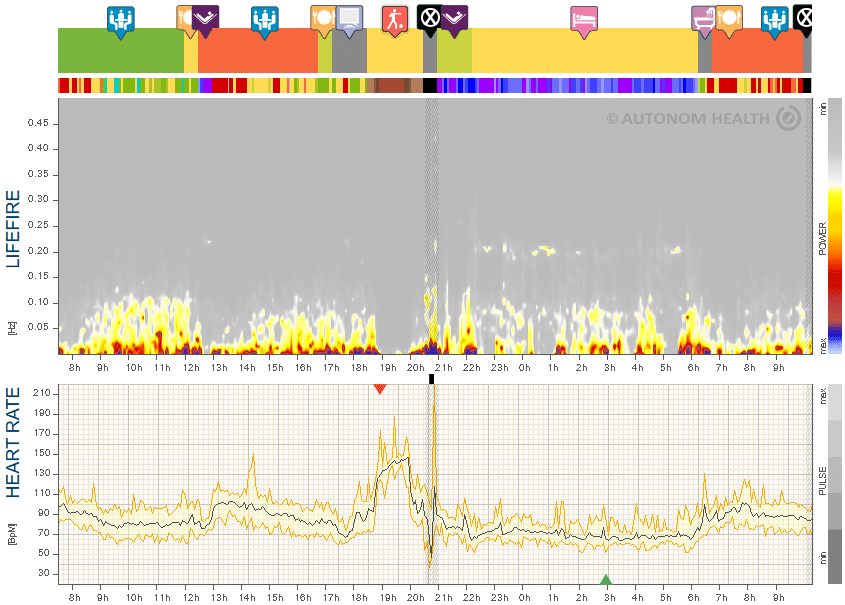
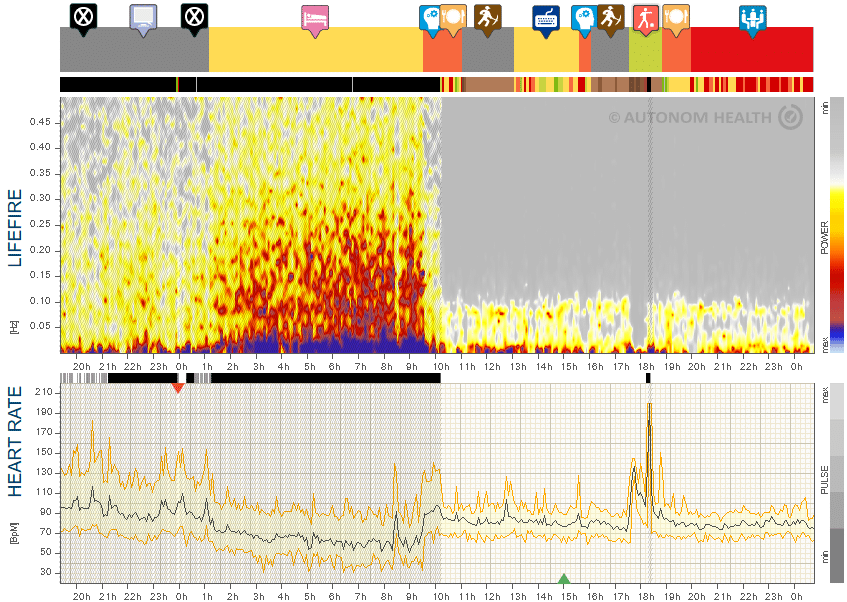
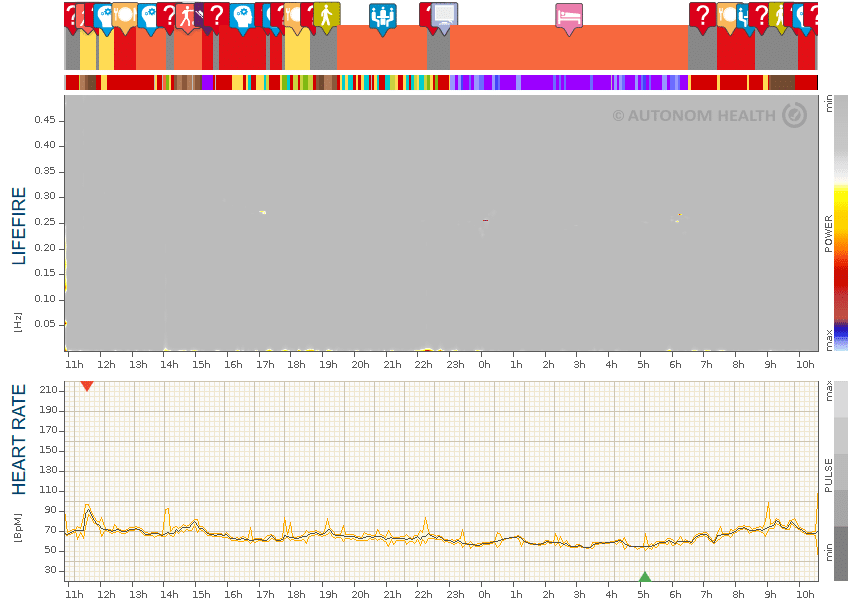
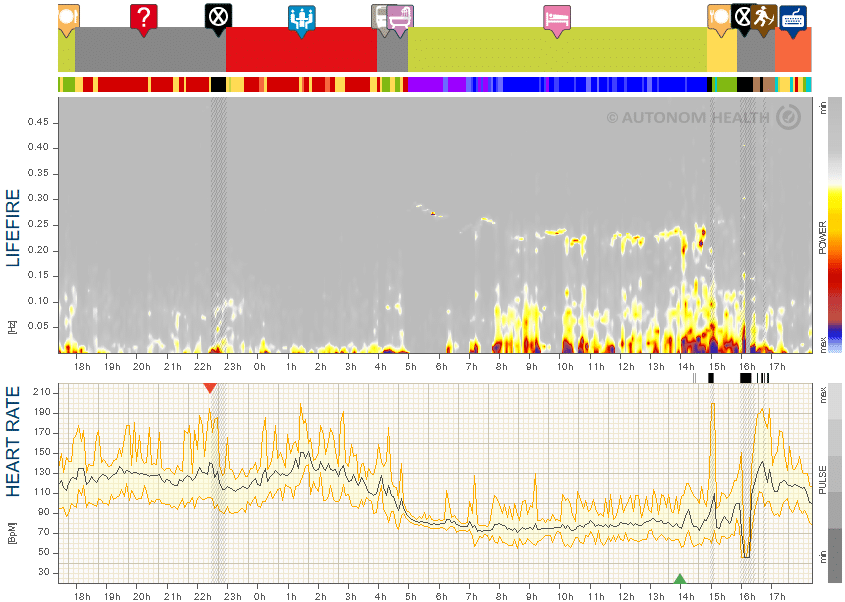
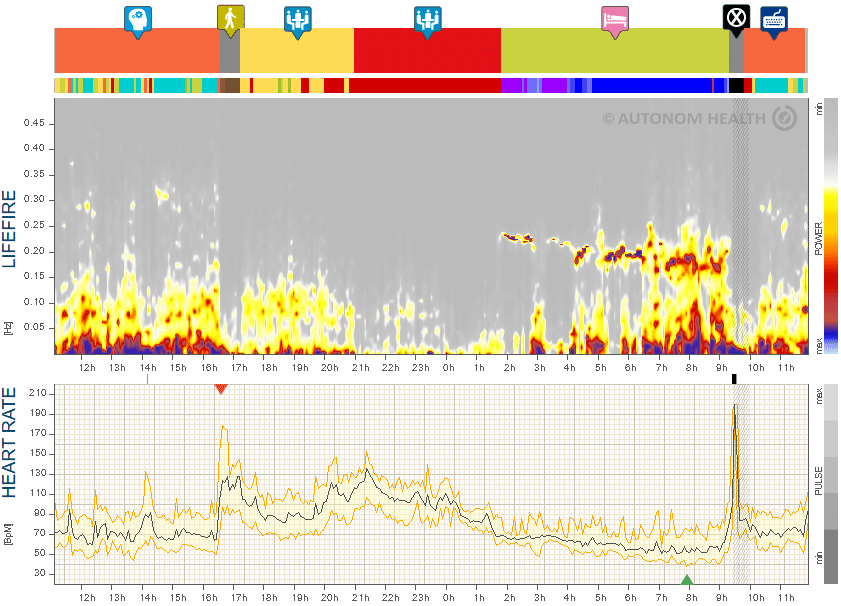
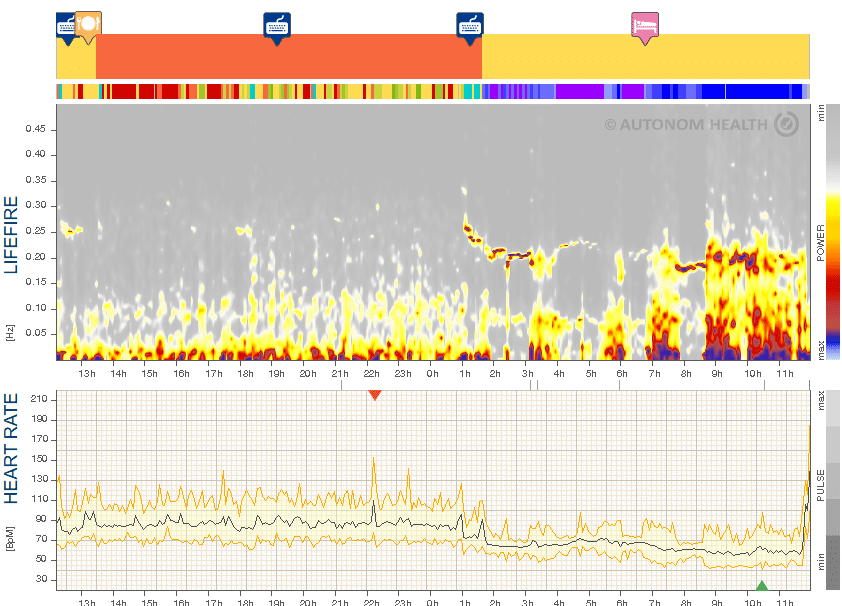
From over three million heartbeat data points, an image is created that resembles a real fire:
- Vitality: Intense, vibrant colors and blazing flames represent physical and mental performance, high regulatory capacity, good adaptability, and available life energy.
- Regeneration needs: Small flames and pale contrasts signal chronic stress, exhaustion, overload, lack of recovery and reduced parasympathetic activity.
Lifefire: When Health Becomes Visible
Visualization – touching the Lifefire® – creates the conditions for a willingness to change.
Discover how stress, recovery, sleep quality, athletic performance, fatigue, resilience, and
personal development are reflected in the Lifefire—and why Heart Rate Variability has
become one of the most exciting tools in modern health assessment.
Lifefire® Image & Performance
At Work
Lifestyle
Sleep quality
From peak performance to burnout
Sports
Heart health
Youth
Health Is the Ability to Regulate
Most healthcare models focus on diseases, diagnoses, or individual laboratory values.
Modern regulatory medicine asks a different question: How well can a person adapt to changing demands?
This is precisely what HRV measures.
Health is not primarily reflected in perfect laboratory values but in the ability of the organism
to flexibly shift between activation and recovery. Individuals who remain under constant
tension gradually lose this flexibility. Those who recover effectively preserve it.
Heart Rate Variability makes this fundamental mechanism measurable.
Measuring Stress Before Symptoms Appear
Many people only recognize chronic overload once symptoms have already developed.
The autonomic nervous system, however, often reacts much earlier.
An HRV analysis may provide early indications of:
- Emerging exhaustion
- Insufficient recovery
- Sleep deficits
- Chronic stress exposure
- Reduced resilience and performance capacity
This makes HRV valuable not only for diagnostics but also for prevention, health
optimization, and long-term well-being.
Why the Lifefire Resonates So Deeply
Many people instantly recognize themselves in their Lifefire.
What was previously only sensed or suspected suddenly becomes visible. The Lifefire
combines scientific precision with emotional clarity, creating moments of genuine insight.
Because lasting change rarely begins with information alone.
It begins with understanding one’s own biological reality.